
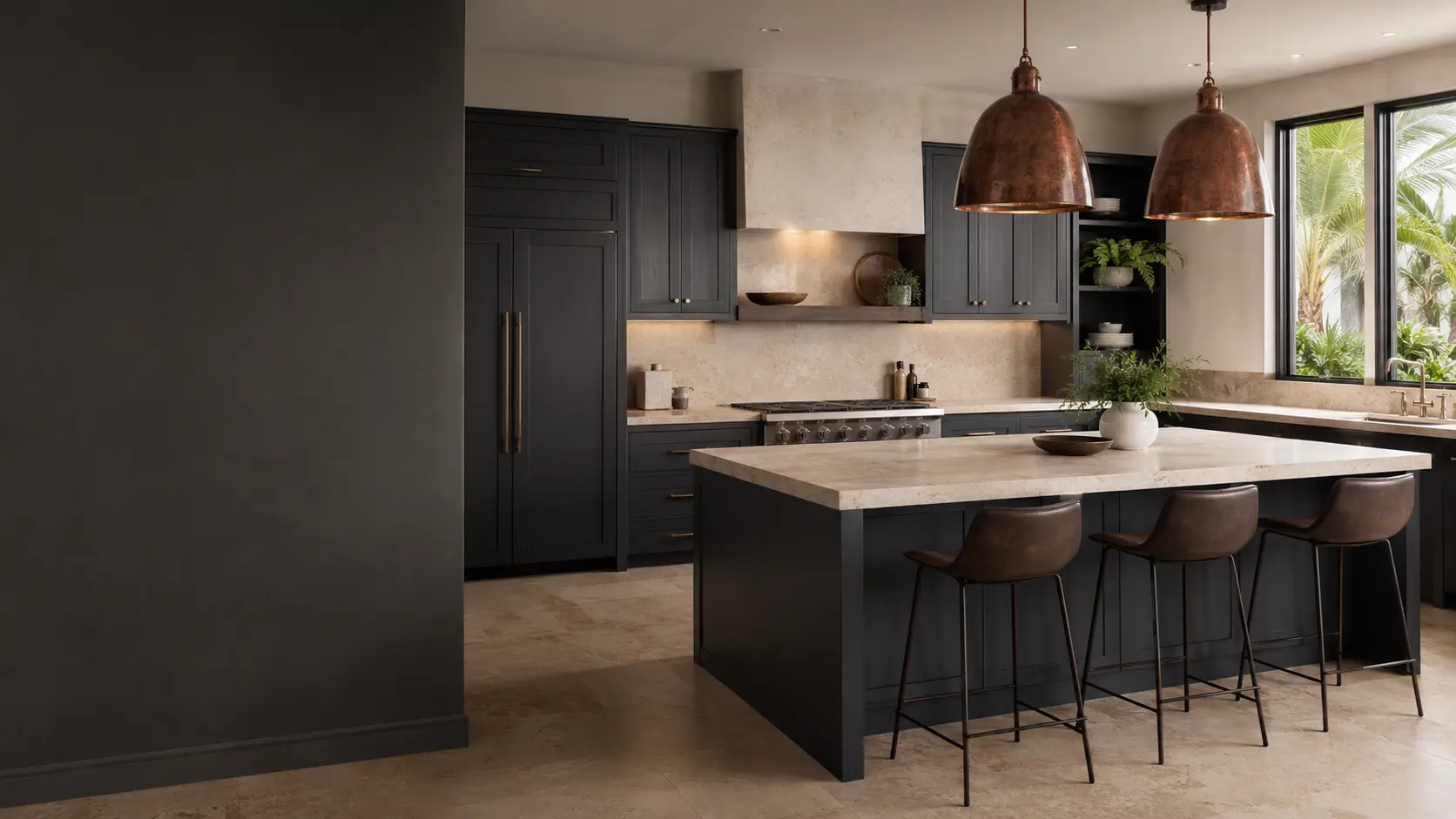
The biggest budgeting mistake is treating the first price as the entire financial plan. A useful remodel budget accounts for the defined construction scope, owner selections, permit-related work, realistic allowances, and a reserve for conditions that could not be confirmed before demolition.
Separate scope from selections
The construction scope describes the work: demolition, framing, plumbing, electrical, waterproofing, installation, inspections, and closeout. Selections describe the products and finishes. Keeping those categories clear makes it easier to see whether a price difference comes from labor, project complexity, or material choices.
Use allowances carefully
An allowance is not a guaranteed product price. It is a planning amount for an item that has not been selected. Every allowance should identify what it covers, whether tax and delivery are included, and how overages or credits are calculated.
Resolve high-impact decisions first
Layout changes, cabinetry, specialty tile, glass, countertops, major fixtures, and appliances can have long lead times or affect multiple trades. Resolve these items before spending time on lower-impact decorative details.
Define concealed-condition procedures
Water damage, deteriorated framing, outdated wiring, unsuitable plumbing, or uneven substrates may not be visible until finishes are removed. A professional agreement should explain how those discoveries are documented, priced, approved, and scheduled before additional work proceeds.
Control change orders
Changes should be written, priced, and approved before the related work begins. Track both the cost and the schedule effect. Small decisions made repeatedly during construction can create a large final variance.
Compare complete proposals
Confirm responsibility for permits, debris, site protection, trade coordination, fixtures, finishing work, and final cleanup. A proposal that excludes necessary parts of the project can look less expensive while producing more owner-managed costs later.
Smooth Build develops kitchen and bathroom remodeling scopes around the actual room, project priorities, and anticipated trade work. Exact investment requirements depend on the property, selected materials, and final scope.